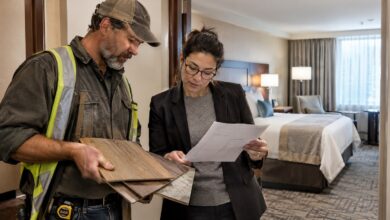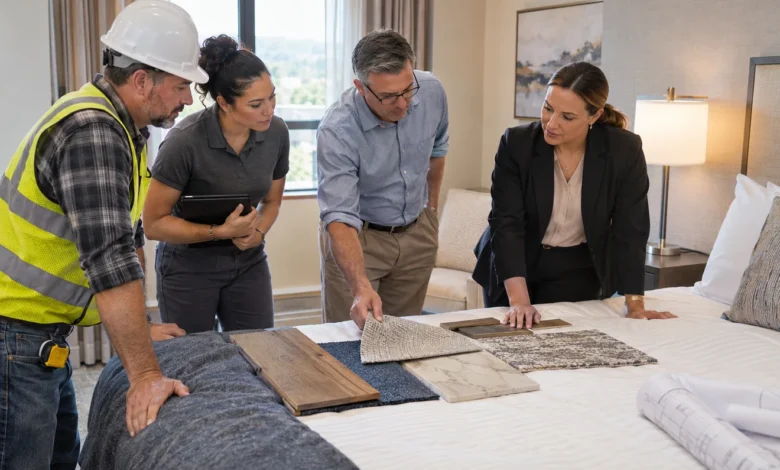
Hotel franchise financing can include a building loan, capital for property improvements, and cash to get through a conversion or opening. Begin with the agreements, brand approval process, and formal improvement plan. A borrower choosing between two flags can face different work, fees, and timelines. Compare the total cash required and loan conditions after accounting for all those differences.
Read the disclosure and agreements on separate lines
Under the FTC Franchise Rule, a prospective franchisee generally receives the Franchise Disclosure Document at least 14 calendar days before signing a binding agreement with the franchisor or affiliate or paying them in connection with the proposed franchise. The FTC’s consumer guide discusses how to examine the disclosure, including estimated initial investment and financial performance representations, where provided. Ask a qualified adviser to review the current documents and how they apply to your transaction. An advertised range does not substitute for cost estimates at your specific property.
Gather the proposed license agreement, brand fee schedule, technology requirements, purchasing requirements, renovation deadlines, and change-of-ownership approval. Ask how payments change with property operations and when they begin. Verify the date when brand and lender documents become binding. For an existing hotel, discuss whether the seller’s brand agreement ends at closing or whether continued operation requires a separate arrangement.
Turn the property improvement plan into a cash schedule
Review each required item with the brand and a qualified contractor. Identify design approvals, material lead times, labor, room closures, and deadlines. Estimate the cost of equipment, renovation, inspections, signage, and systems separately. If a date is conditional or a fixture can be substituted, get the written approval. Reserve room for work that can only be priced after opening a wall or inspecting an existing system.
For illustration, a hypothetical plan might involve $540,000 of room work, $180,000 of signage and common area work, $65,000 of technology and setup, and a $115,000 contingency. That totals $900,000 before lost revenue or financing costs. Ask what the proposed loan will pay at closing, what it can reimburse later, and which costs are funded by the owner. Compare the date invoices come due with each proposed draw.
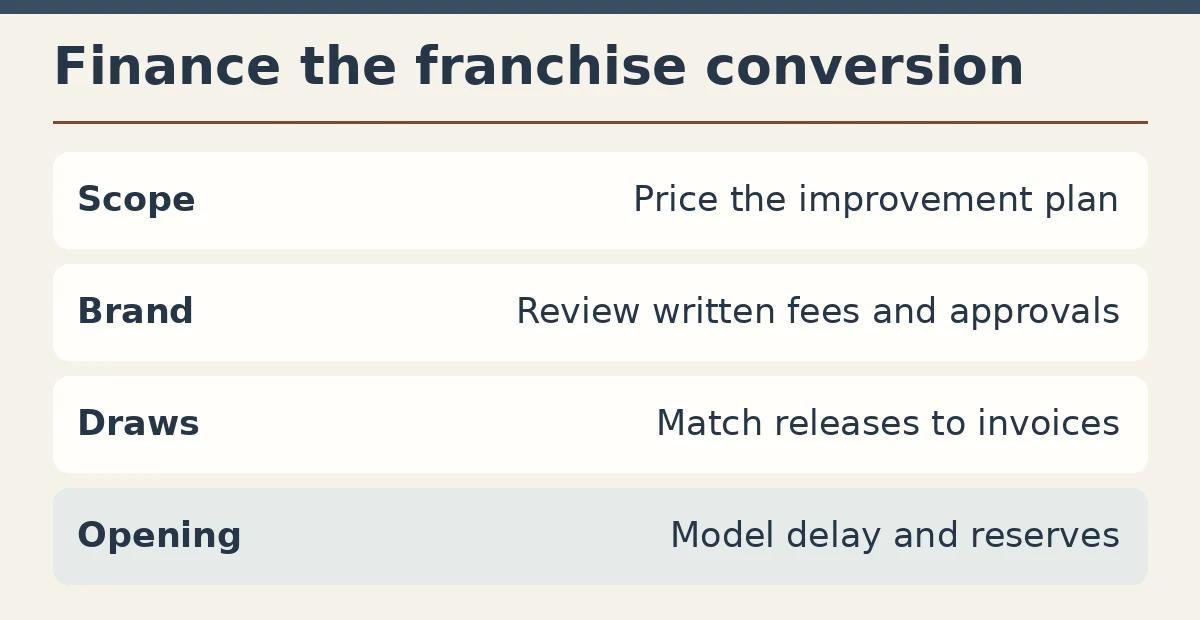
Separate brand fees from debt and operating expenses
Build a pro forma showing royalties, marketing assessments, reservation fees, loyalty costs, training, required technology, and local expenses, as applicable. Review which sales measure the contract uses for each charge and how it applies to rooms, promotions, or other business. Ask whether the franchisor requires certain reserves or upgrades during the agreement. Review the financial statements after adding those charges and closing or conversion costs.
If the brand describes potential performance, examine its assumptions, relevance to your region and property, and what the current disclosure actually represents. Ask the lender how it treats projected sales supported by brand information. Compare a scenario based on the hotel’s own history with a second scenario that shows the effect of achieving the projected change. A loan should be evaluated under an adverse case as well as the forecast.
Compare loan programs and eligibility on the same project
Ask a bank, qualified broker, or SBA-participating lender about appropriate options for the property and operating entity. If SBA financing is proposed, request confirmation of current franchise documentation and eligibility and verify the specific brand when relevant. Compare approved uses, borrower contribution, guaranties, reserves, appraisal assumptions, and duration. Have the adviser explain what cash and guarantees would be needed if the brand or lender changes the scope before closing.
Ask whether renovations are funded through the main loan, a separate facility, or equity. If funds are released after a draw is approved, find out who submits records and what the lender considers acceptable proof. A portion of funding may depend on completion or an inspection. Compare the whole-term cost, ongoing covenants, and cash availability. Keep the written terms with the approved improvement schedule.
Model how work affects occupancy and opening
If you remove 15 rooms for 20 nights, you take 300 room nights out of the available inventory. Depending on existing demand, some guests may move to another room rather than be lost. Estimate sales that cannot be accommodated, the change in staffing or supplier expenses, and any added relocation or guest costs. Document how front-desk operations will continue while work is under way.
Prepare a second projection in which the work goes beyond the original date or rooms are reopened later. Ask what happens to opening approval, franchise fees, loan disbursements, and staffing. Review property coverage and any need for construction protection with a qualified insurance adviser. Record the person who can decide whether to draw on contingency or authorize a revised project plan.
Verify the exit conditions before signing
Review the consequences of a sale, management change, brand transfer, or termination with qualified counsel. Ask how loan covenants, lender consent, and any brand obligations interact. Put renewal and major capital dates on one calendar. If the investor expects a future sale, ask what approvals would need to be secured and which expenses are connected to that change.
After closing, track work by phase and reconcile lender draws to invoices. Verify that authorized substitutions were approved and preserve the approval file. Save a copy of brand acceptance, opening documentation, and insurance records. When operating expenses stabilize, compare actual fees and demand with the forecast used for financing. It is easier to assess the merits of the franchise when the building budget, debt, and earned revenue can be seen together.
Compare a conversion plan with continuing as an independent hotel
Ask the hotel team to forecast operating cash under both structures. Use the same room count, dates, local market, and property condition. List the change in reservations, fee commitments, renovation spending, downtime, and working capital. If a claimed occupancy increase depends on brand distribution, ask how the estimate was produced and which expenses the projection includes. Confirm with advisers what the disclosure says.
Obtain term sheets based on each feasible plan. Ask where the lender’s conditions depend on a signed franchise agreement, recognized brand standards, or evidence of eligible uses. Estimate the time to obtain approvals and issue coverage. If one proposal reduces basic renovation work but increases ongoing charges, compare cash flow during conversion and during normal operations. Ask how the financing would respond if the project’s performance is below the projected opening target.
Plan the improvement work in phases the property can afford
For each phase, list rooms closed, materials ordered, progress evidence, paid invoices, and planned reopen date. Ask the lender who checks the documentation and whether the approved budget can move between lines. If the furniture arrives early, decide how it will be stored and insured. Have the operator estimate how much cash it needs to pay suppliers before reimbursement.
If a build-out ends two months later than planned, the hotel may have fewer room nights to sell and more financing costs. Ask what documentation the brand requires to move key dates and whether penalties or other contractual consequences apply. Ask the lender about reserve or extension terms, and compare those costs with a budget containing a realistic contingency. Do not let a spreadsheet assume automatic approval if it has yet to be obtained.
Ask what happens when the investor changes its plans
Consider an asset sale before the end of the agreement. Ask the appropriate advisers which terms govern assignment, termination, and costs of making the property sale-ready. Ask whether a prospective buyer must meet brand and lender conditions before an agreement can move forward. Put the expected proceeds after approvals and expenses next to the balance of outstanding debt.
Then model a manager change that does not require a sale. Look for consent provisions and required documentation in the applicable contracts. Ask how fees and insurance names or limits would change. Compare the choices using the dates and constraints that actually apply to the investor. The final decision reflects both how the hotel will afford renovation and what obligations remain after normal operations begin.
Compute the franchise expense the operating statement will carry
Suppose a fictional agreement assesses a royalty on gross room revenue and has separate marketing and reservation charges. Ask which sales fall into each base, when discounts affect it, and whether there are fixed technology or program fees. Use the proposed documents and request an example month. Place operating and financing expenses next to actual fee totals. A higher-room-rate scenario may generate higher brand charges even when booked rooms do not change.
For a second comparison, assume renovations take longer and fewer rooms are available. The owner still needs to fund scheduled debt service and useable amenities. Ask how the proposed franchisor calculates fees or credits during that period, and how the lender treats any payment delay. Review ongoing capital spending separately. A one-time improvement plan does not describe the routine cost of maintaining the property through a longer financing term.
Connect job completion to payment releases
Use the property improvement plan, approved budget, and relevant inspections to create an invoice and draw schedule. Identify the person supplying receipts, completion photos, or other materials required to make a request. Ask the lender when its own inspection is needed and whether there is a retained amount before final completion. Keep one list of changes to the scope, and have the decision-makers verify each approval.
Model a project change that adds charges before a draw. Ask which budget can pay those costs without conflicting with other conditions. If an owner plans to fund some improvements independently, record that commitment and the order of contributions. Review the timeline with finance and operations. The ability to sequence payments matters when the property continues to admit guests and run its ordinary staffing schedule during work.
Document the first year after the conversion
Create a monthly budget identifying occupancy, direct and third-party revenue, royalties, capital work, and debt service. Use a rollout scenario in which the hotel takes time to reach the projected bookings. Compare those figures with the reserve and the dates when operating reports are due. Ask which costs can be reduced if demand is weaker while staying within required brand and loan terms.
After work and approval, keep the signed acceptance, updated insurance documentation, and records of how the work was financed. Request the first reconciled brand invoice and compare it to the items you expected. Track whether actual room closures and capital spending differ from the estimate. Review those changes with the lender on the appropriate schedule. When projecting a later refinance or sale, the hotel will have enough detail to explain which opening costs are over and which obligations continue.
Confirm which reserves are available when operations restart
Ask whether any remaining contingency can be spent after the brand approves the work. Compare a lender-controlled account with funds the hotel can use for opening invoices. Obtain written release conditions. In a delayed opening, budget for repeat inspections, staff training, and supplier payments using the rights and dates shown in the documents. If funding depends on paid invoices, explicitly show how the hotel pays them first. Keep separate records for the building work, operating expenses, and each source of financing so a reviewer can follow the disbursements.
Connect this comparison to the rest of the hotel
A brand conversion often changes the purchase and construction schedules together. Coordinate funding and the building insurance review so the hotel can verify which location, repairs and dates are covered.
For related decisions, use the hotel acquisition financing guide, the hotel commercial mortgage guide, and the hotel property insurance checklist.
Sources consulted
Federal Trade Commission — A Consumer’s Guide to Buying a Franchise
U.S. Small Business Administration — Franchise Directory